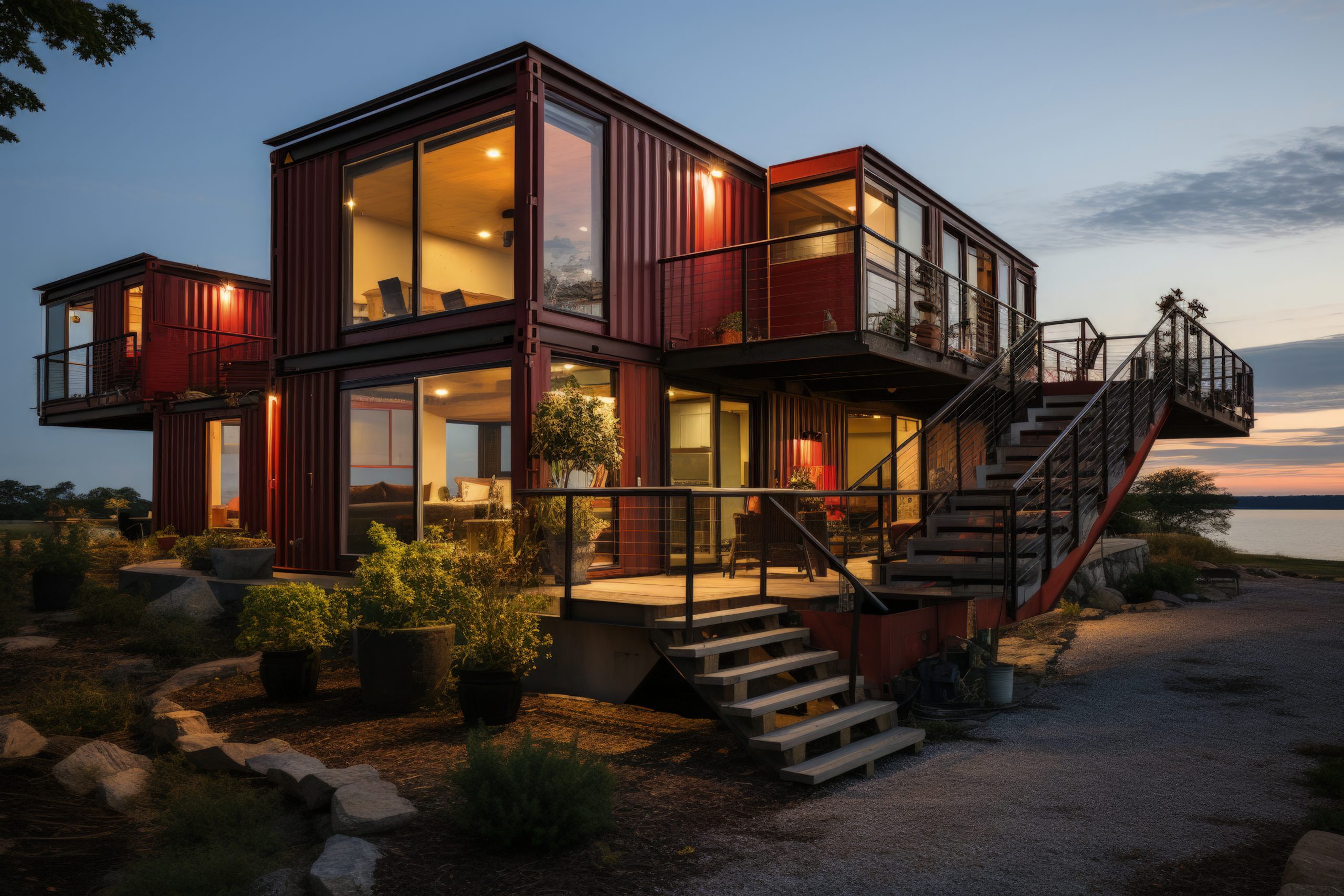
As Kenya faces a growing housing deficit and rapid urbanization, innovative housing solutions are more important than ever. One such solution gaining popularity is container homes—affordable, sustainable, and modern living spaces made from repurposed shipping containers. This blog explores the rise of container homes in Kenya, their benefits, challenges, and why they could be the future of housing in the country.
What Are Container Homes?
Container homes are residential structures built from recycled shipping containers. These steel boxes, originally designed for transporting goods across oceans, are transformed into stylish, functional, and eco-friendly living spaces. The concept, which started in Western countries, is now making waves in Kenya as a practical solution to the housing crisis.
Why Container Homes Are Gaining Popularity in Kenya
1. Affordability
Container homes are significantly cheaper than traditional houses. The cost of a shipping container is relatively low, and the construction process is less labor-intensive. This makes homeownership accessible to more Kenyans, especially in urban areas where housing prices are skyrocketing.
2. Sustainability
By repurposing shipping containers, these homes reduce waste and promote environmental sustainability. Instead of using new construction materials, container homes recycle existing resources, making them an eco-friendly housing option.
3. Quick Construction
Container homes can be built in just a few weeks, compared to months or even years for traditional homes. This rapid construction is ideal for addressing Kenya’s urgent housing needs.
4. Durability
Shipping containers are built to withstand harsh conditions at sea, making them incredibly durable. They are resistant to extreme weather, pests, and fire, ensuring a safe and long-lasting living space.
5. Design Flexibility
Container homes offer endless design possibilities. They can be stacked, combined, and customized to create unique and personalized living spaces. Whether you want a cozy studio or a spacious family home, container homes can be tailored to your needs.
Challenges of Container Homes in Kenya
1. Regulatory Hurdles
Kenya’s building codes are primarily designed for traditional construction, making it difficult to obtain approvals for container homes. Streamlining regulations could encourage more people to adopt this innovative housing solution.
2. Public Perception
Some people view container homes as temporary or substandard housing. Changing this perception requires education and awareness campaigns to highlight the durability, comfort, and aesthetic appeal of container homes.
3. Thermal Insulation
Steel containers can become very hot or cold depending on the weather. Proper insulation and ventilation are essential to maintain comfortable living conditions, which can add to the overall cost.
The Future of Container Homes in Kenya
The future looks bright for container homes in Kenya. As more people become aware of their benefits, demand is expected to grow. Government support and streamlined regulations could further boost their adoption, making container homes a mainstream housing option.
With their affordability, sustainability, and quick construction, container homes have the potential to play a significant role in addressing Kenya’s housing deficit and promoting eco-friendly living.
Types of Container Conversions
Container homes are just one of the many ways shipping containers can be repurposed. Here are some other popular container conversions:
1. Container Offices
- Portable and flexible workspaces.
- Ideal for businesses needing temporary or mobile offices.
2. Retail Spaces
- Pop-up shops, cafes, and art galleries.
- Customized with windows, doors, and signage for an attractive storefront.
3. Mobile Workshops
- Equipped with workbenches, storage, and power outlets.
- Perfect for trades like carpentry, welding, or mechanical repair.
4. Exhibition and Event Spaces
- Temporary venues for events, exhibitions, or product launches.
- Modified with open sides, glass panels, and lighting.
5. Storage Units
- Secure, weather-resistant storage for personal or business use.
6. Specialized Facilities
- Ablution blocks, clinics, kitchens, and laundry rooms.
- FSSC-compliant processing facilities for industries.
The Process of Getting a Container Home in Kenya
Step 1: Request a Quote
Contact a container conversion company to discuss your requirements and get a quote.
Step 2: Specify Your Needs
Provide details about the design, size, and modifications you need. Decide whether you want to buy or lease the container.
Step 3: Credit Review
If leasing, the company will conduct a credit review, which typically takes 1-2 days.
Step 4: Payment
Once approved, you’ll receive an invoice for the first month’s rental or the full purchase price, including delivery if required.
Step 5: Delivery and Installation
Your customized container is delivered to your site and installed according to your specifications.
Conclusion: Are Container Homes the Future of Housing in Kenya?
Container homes offer a practical, affordable, and sustainable solution to Kenya’s housing challenges. With their quick construction, durability, and design flexibility, they are an attractive option for many Kenyans. While there are challenges to overcome, the growing interest in container homes suggests a bright future for this innovative housing trend.
If you’re looking for an eco-friendly, cost-effective, and modern living space, container homes could be the perfect choice for you. Embrace this new wave of housing and take a step toward affordable and sustainable living in Kenya!