Why Kenya is turning into a Premier Destination for Buying and Developing Property
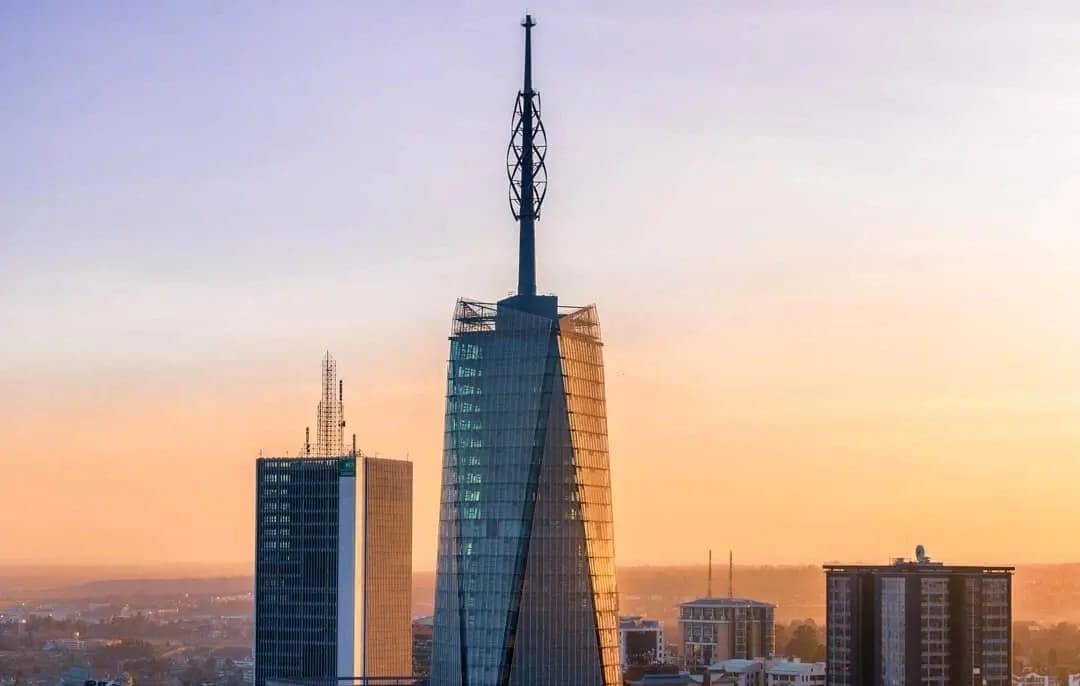
On a typical weekday morning in Nairobi, the city tells its own story. Traffic builds up earlier than it used to. New apartment blocks rise where empty plots once sat. Coffee shops fill with young professionals working remotely, while construction cranes quietly redraw the skyline. If you pay attention, you start to notice something deeper than just growth , you’re watching a real estate market maturing in real time.
That’s exactly why Kenya is turning into a premier destination for buying and developing property, not because of hype, but because the fundamentals are aligning in a way that’s hard to ignore.
The Shift from Potential To Real Returns
For years, Kenya was described as a high potential market. Today, it’s increasingly a performance market. Investors are no longer just betting on the future, they’re seeing real capital appreciation rates in key corridors like Kilimani, Westlands, and along Thika Road. Properties bought a few years ago in these areas have already seen significant value growth, especially where infrastructure came first.
Take the Thika Superhighway property growth effect. Areas that were once considered too far out, Roysambu, Kahawa, Ruiru, are now investment hotspots. Improved access didn’t just reduce travel time, it unlocked entire micro-markets. And that’s the pattern repeating across the country.
Infrastructure is Quietly Rewriting the Map
The Nairobi Expressway didn’t just ease congestion ,it changed how people think about distance. The SGR didn’t just connect cities, it created new economic zones. Bypass roads opened up land that developers had ignored for decades.
Where roads go, value follows. This is why investors who understand infrastructure cycles are getting ahead. They’re buying into emerging nodes before they peak, not after.
A Rental Market that Works
One of the biggest differences between Kenya and many global markets is that renting is the norm here, not the exception. In Nairobi especially, a large majority of residents rent. That creates a strong base for consistent income, whether you’re targeting long-term tenants or exploring ROI on short-term rentals through platforms like Airbnb.
Furnished apartments in areas like Kilimani, Westlands, Parklands and Kileleshwa are performing particularly well. With the steady flow of expatriates, consultants, and business travelers, short-term rentals are no longer a side strategy, they’re a core investment play.
The Rise of Lifestyle Driven Developments
Kenya’s market is also evolving beyond standalone apartments. There’s a clear shift toward mixed-use developments, where people can live, work, and relax in the same environment.
Projects like Tatu City and Northlands are early indicators of where the market is heading, integrated communities with schools, offices, retail, and residential spaces all in one ecosystem.This model isn’t just about convenience. It’s about future-proofing property value.
The Diaspora and Foreign Capital Effect
Another quiet driver? Diaspora real estate investment in Kenya. Kenyans living abroad are increasingly channeling money back home, not just for sentimental reasons, but because the returns make sense. Compared to saturated Western markets, Kenya offers better entry prices and stronger upside potential.
At the same time, Nairobi’s position as a regional hub continues to attract international organizations and companies. This fuels demand for high-quality housing and serviced apartments, especially for investors who prefer hands-off ownership.
Affordable Housing is Creating Volume
While luxury developments get attention, the real engine of the market is affordable housing projects. The gap between supply and demand is still massive, and developers who focus on mid-market housing are tapping into the largest pool of buyers and tenants. This segment ensures the market doesn’t just grow, it scales.
Beyond Nairobi, New Frontiers are Opening Up
It’s no longer just about the capital. Coastal towns are seeing increased interest in beach holiday homes, driven by both local buyers and international investors looking for lifestyle properties with rental potential.
Meanwhile, satellite towns like Kitengela, Athi River, and Juja are becoming serious contenders for long-term investment, thanks to affordability and improving infrastructure.
Long-Term Real Estate Powerhouse
Kenya’s real estate growth is not a short-term trend. It is a result of strong fundamentals coming together, rapid urban expansion, major infrastructure like the Thika Superhighway, rising capital appreciation rates, and consistent rental demand. From mixed-use developments like Tatu City and Northlands to growing interest in beach holiday homes and diaspora real estate investment in Kenya, the market is expanding on multiple fronts. Kenya is turning into a premier destination for buying and developing property because the demand is real, the growth is structured, and the opportunity is still unfolding.

Avana Oasis Apartments on Riara Road, Nairobi
PQ37+487, Nairobi, Kenya
2 Bedroom Apartment for Sale on Riara Road, Lavington

3 Bedroom Apartment for Sale on Riara Road, Lavington

4 Bedroom Apartment for Sale on Riara Road, Lavington